

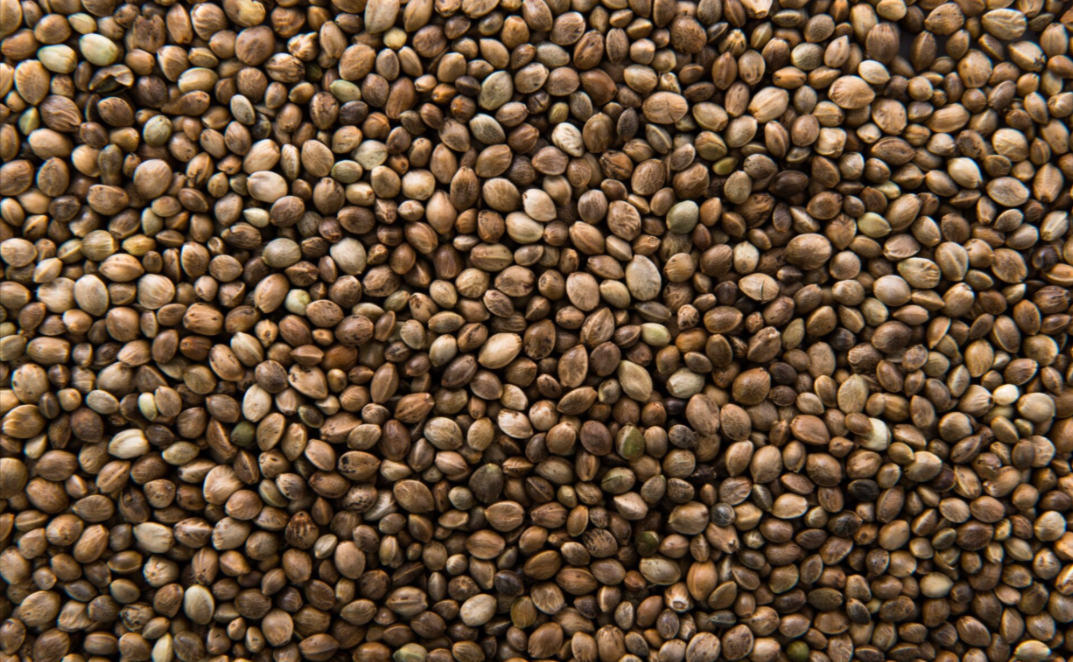
State of the Hemp Seeds Market in India – 2026
India is not short of hemp. What it lacks is an organised and commercially scalable supply chain for it.
Demand is rising because of urban consumers who want clean nutrition and plant protein. Regulation has also been clarified after FSSAI recognised hemp seed and hemp seed oil as food products under defined safety standards.
But the market is still young and processing is limited. Certified genetics are also not widely available. Many buyers are entering the category without a clear framework for verifying legality, THC compliance, supplier traceability, or product quality.
This is why India’s hemp seed opportunity is promising but not yet mature.
What is the state of the hemp seed market in India?

India’s broader industrial hemp market was valued at USD 219.79 million in 2024 and is projected to reach USD 952.90 million by 2032, which makes it a CAGR of 18.77 percent.
This figure covers industrial hemp more broadly, not only seeds, but also shows the direction of the market.
The hemp seed market is still in its early stages for three reasons.
First, India does not yet have a deep base of standardised low-THC seed genetics suitable for commercial scale. Most states with hemp cultivation policies require THC levels to remain below 0.3 percent in the plant. But compliant certified varieties are not widely available
Processing capacity is also limited. Seed cleaning, hulling, cold-press extraction, flour milling, and protein processing all require infrastructure that is currently limited in both capacity and geographic spread
Lastly, the supply chain lacks end-to-end connectivity. Some states are progressing on cultivation policy, but post-harvest processing, food-grade testing, branding, and distribution infrastructure remain underdeveloped.
Overall, the demand is strong, but the supply is still being built.
What is driving hemp seed demand in India?
The shift towards plant-based nutrition is highly increasing the demand for hemp seeds in India.
Hemp seeds are rich in plant protein and healthy fats. They contain all nine essential amino acids, which also makes them one of the few plant-based complete protein sources.
So, the demand is coming from:
- Urban wellness consumers
- Vegans and vegetarians
- D2C nutrition brands
- Healthy snack companies
- Skincare and personal care brands
- Food brands looking for alternative protein ingredients
But hemp seed oil has the broadest market presence among all other hemp seed products. It is used in food, wellness, and skincare.
Which products are shaping the Indian hemp seed market?
FSSAI defines food-grade hemp seeds as hulled and non-viable. This means that only seeds with their outer coat removed and seeds incapable of germination can be used for sale as food.
FSSAI has also standardised hemp seed, hemp seed flour, and hemp seed oil as food.
- Total THC must be below 5 mg/kg in seeds and flour and 10 mg/kg in hemp seed oil.
- CBD in hemp seed food products must be below 75 mg/kg.
Hemp seed oil is a nutritional oil pressed from seeds. But CBD oil is different. It is generally associated with extracts from flowers and leaves.
Where does India stand in hemp seed supply?
India has natural advantages, but supply is not yet smooth.
The Himalayan belt has a long relationship with hemp. Northern states such as Uttarakhand and Himachal Pradesh are important to the developing hemp economy. Uttarakhand moved early with a commercial hemp policy, and Himachal Pradesh has recently pushed a “Green to Gold” industrial hemp initiative with strict low-THC controls.

Still, commercial supply is constrained.
Many brands continue to depend on imported or externally sourced material because India lacks enough certified, traceable, low-THC seed production. The supply gap is not only a farming problem. Even where cultivation exists, post-harvest infrastructure for cleaning, hulling, testing, and food-grade processing is limited. The gaps are:
- Certified seed varieties
- Licensed farmer networks
- Hulling and cleaning facilities
- Cold-press oil units
- Food-grade storage
- Batch testing and documentation
Buyers are not only buying seed. They are buying compliance confidence.
What challenges do hemp seed suppliers face?
The first challenge is stigma and confusion between hemp seeds and intoxicating cannabis.
The second challenge is processing. Hemp seeds need careful handling because their oils are prone to oxidation. Poor storage conditions can damage flavour, aroma, and nutritional quality, and also reduce shelf life.
Hemp seeds are also more expensive than chia or flax seeds because the supply chain is smaller. The processing capacity is limited, and remote sourcing in mountainous regions adds logistics costs.
Another challenge is trust. Without traceability, any supplier can make claims. Serious hemp seed suppliers should be able to show:
- FSSAI readiness
- Batch-wise lab reports
- Origin and farmer network
- Processing method
- Shelf-life data
- THC and CBD compliance
- Contaminant testing where needed
As buyer sophistication increases, suppliers who cannot provide documentation and traceability will lose credibility to those who can
What is the opportunity for farmers and Himalayan communities?
The hemp seed opportunity can become a rural value-chain opportunity.
If farmers only sell raw biomass or raw seed, the value captured locally remains limited. The better opportunity is local processing. Cleaning, hulling, oil pressing, flour production, and packaging can create more income near the growing region.
For Himalayan communities, local processing of a crop with seed, fibre, oil, flour, and wellness uses can support diversified income.
India also has rich indigenous cannabis and hemp landraces. Preserving local genetics while developing compliant low-THC varieties would reduce dependence on imported seed systems and support a sovereign supply base.
The future value of Indian hemp may come from farmer-linked, traceable supply, not anonymous commodity trading.
What to look for when sourcing hemp seeds in India?
Buyers should not source only by price.
- Check if the product sold follows FSSAI food standards.
- Verify THC and CBD batch certificate limits for every batch.
- Check free fatty acid and peroxide values in hemp seed oil to confirm freshness and oxidation control.
- Check whether seeds are hulled, cleaned, cold-pressed, or milled in food-grade conditions.
- Ask where the seed was sourced, processed, tested, and packed.
This is especially important for food brands, nutrition companies, and skincare formulators using hemp seed oil as an ingredient.
Hemp Foundation’s hemp seeds bring the story back to clean nutrition, responsible sourcing, and Himalayan farmer linked value.
FAQs
Is hemp seed oil legal in India for food use?
Yes but FSSAI has set limits for cannabinoids, oil quality, and other permitted food-use conditions for hemp seed oil.
How is hemp seed oil different from CBD oil?
Hemp seed oil is pressed from seeds and CBD oil comes from plant extracts.
How should food brands choose hemp seed suppliers in India?
Look for hemp seed suppliers with transparent batch lab reports, clean storage, processing details, and proof that seeds are hulled, non-viable, and food-grade.
Why are hemp seeds costlier than chia or flax in India?
Prices are higher because India has limited processing capacity, smaller licensed supply chains, extra testing costs, and higher logistics from Himalayan sourcing regions.
Can Indian farmers grow hemp seeds commercially in 2026?
Only where state permissions allow it. Farmers need licences, approved seed sources, crop monitoring, and compliance with low-THC cultivation requirements.

Vishal Vivek
Vishal Vivek is the Founder and CEO of Ukhi, a pioneering bio-materials company dedicated to ending plastic pollution by converting agricultural waste into high-performance compostable polymers. With a background in sustainable entrepreneurship and over a decade of technology experience, he leads Ukhi’s vision to create scalable, planet-positive material solutions. Previously, Vishal founded the Hemp Foundation, where he empowered more than 1,000 farmers and advanced sustainable livelihood initiatives. His work has been recognized through awards such as the HDFC Parivartan Grant and featured in leading publications like Forbes and Entrepreneur. Times Group recognized him as a legendary entrepreneur and published his biography in “I Did IT- Vol 2” alongside social pioneers like Bindeshwar Pathak (Sulabh International) and Anshu Gupta (Goonj). Vishal has authored more than 200 articles on sustainability and hemp, reflecting his deep expertise and advocacy for regenerative solutions. His commitment to grassroots impact led him to live in the remote mountains of Uttarakhand, where he immersed himself in the lives of marginal farmers, understanding their challenges and co-creating economic opportunities through hemp-based initiatives. A deeply passionate innovator, Vishal often draws inspiration from seemingly impossible achievements: “If Elon Musk can make rockets reusable, or Dashrath Manjhi can carve a path through a mountain with rudimentary tools, why can’t we eliminate the demon of single-use plastic while uplifting struggling farmers? We will make it happen—whatever it takes.” Ukhi is proud to be supported by premier institutions including IIT Guwahati, NSRCEL-IIM Bangalore, Indian School of Business (Hyderabad), Indian Council of Agricultural Research (ICAR Pusa), and the Indian Institute of Packaging. Vishal is committed to demonstrating that business can be a powerful catalyst for global environmental and social good. Connect with Vishal Vivek
Related Posts
Top 10 Hemp Companies in the World for Paper Products
[vc_row][vc_column][vc_column_text] Leading hemp companies in the world are innovating everyday to c
Best Hemp Plastic Products to Buy Online (2026) in USA
There’s never been more noise in the world of hemp plastic products. Some are genuinely sustainabl
How Can Hemp Fight Deforestation
The hemp plant is one of the most beneficial plants for the environment and humans. It is excellent

